
Unhappy guests complaining about scratchy towels or stiff sheets can ruin your business reputation quickly. Choosing the wrong softening method affects your fabric quality and your bottom line.
Dryer sheets use heat-activated coatings to reduce static and soften fabrics in the dryer, while liquid softeners coat fibers during the wash cycle. For commercial buyers, dryer sheets often provide a more cost-effective, storage-efficient solution with less machine maintenance than liquid alternatives.
Understanding the nuances between these two products is vital for your procurement strategy. Whether you manage a hotel chain, a laundromat, or a retail distribution network, the choice impacts operational costs and customer satisfaction.
Introduction: Why Fabric Softeners Matter More Than You Think?
You spend thousands of dollars procuring high-quality linens, uniforms, and towels. Why let the wash process ruin them in six months?
Fabric softeners are essential finishing agents that reduce mechanical friction between fibers. By neutralizing the negative static charge created during the tumbling process, they prevent damage, reduce lint attraction, and improve the tactile feel of the fabric. For a B2B buyer, the right softener is an insurance policy for your inventory.
The Commercial Reality of “Soft”
Many purchasing managers treat fabric softeners as an afterthought, often buying whatever is on sale or sticking to what they have used for twenty years. This is a mistake. The choice between dryer sheets and liquid softeners impacts your entire laundry ecosystem.
I often speak with hotel operations managers who are confused by the options. They see liquid softeners as the “premium” choice because of marketing, but they fail to account for the operational drag—the heavy lifting, the messy dispensers, and the machine downtime caused by internal buildup. Conversely, others view dryer sheets as merely “static guards,” underestimating their ability to condition fibers.
This article will dismantle the confusion. We will look at the chemistry, the logistics, and the hard costs. We will explain why shipping water (liquid softener) might be eating your budget, and how switching to a concentrated solid (sheets) could streamline your supply chain. We are here to help you make a data-driven decision for your business.
What Are Dryer Sheets?
Static electricity in a commercial dryer can turn a simple folding job into a nightmare, slowing down your staff and increasing labor costs.
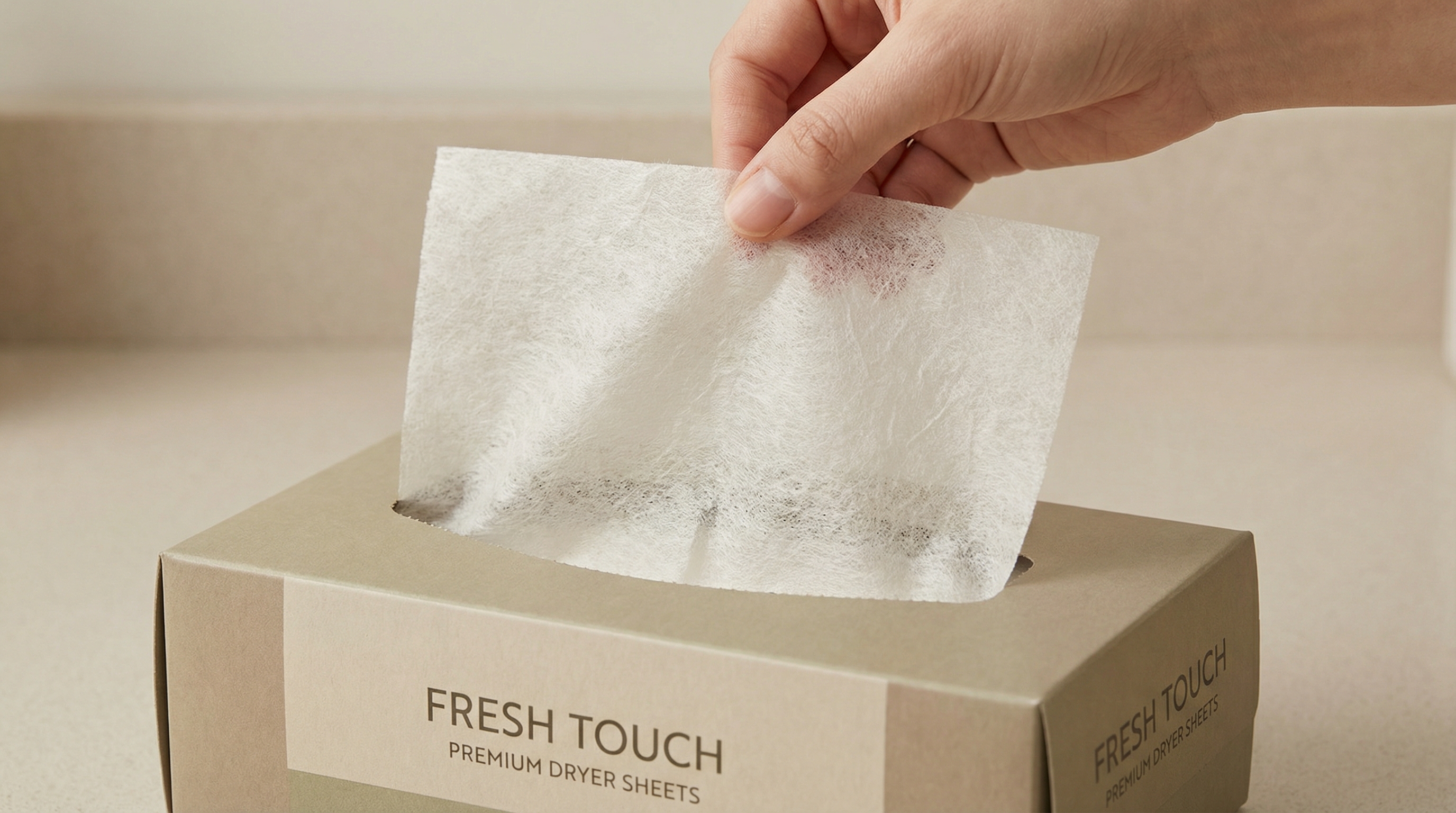
Dryer sheets are non-woven polyester or cellulose substrates coated with a heat-activated softening compound. They function inside the dryer, using the heat of the tumbling cycle to transfer a microscopic lubricating layer onto fabrics, instantly neutralizing static charge.
2.1 How Dryer Sheets Work
You toss them in, and they disappear into the load, but the engineering behind that sheet is surprisingly complex.
When wet fabrics enter a dryer, they tumble against each other. As they dry, this friction knocks electrons loose, creating a negative electrical charge. This is static. It causes synthetic fabrics to cling, attracts dust, and can even cause painful shocks to your employees.
Dryer sheets solve this through heat transfer. The coating on the sheet—typically a mix of softeners and fragrances—is solid at room temperature. As the dryer heats up, this coating melts. The tumbling action physically wipes the sheet against the clothes, transferring positively charged ions (cationic surfactants) to the negatively charged fabric. This cancels out the static electricity and leaves a thin, lubricating layer that makes the fabric feel smooth.
2.2 Main Ingredients in Dryer Sheets (Simple Explanation)
To make a smart buy, you need to know what you are putting on your linens. The composition of a dryer sheet is efficient and concentrated.
Softening Agents (Quats): Quaternary ammonium salts are the primary active ingredient. These are positively charged molecules that seek out negatively charged fabric surfaces. They are the “muscle” that kills static and adds softness.
Stearic Acid: A fatty acid that acts as a melting agent. It determines the temperature at which the softener releases from the sheet. In commercial bulk dryer sheets, this is calibrated for high-heat industrial cycles.
Fragrance: Because dryer sheets work in the final stage of laundry (the drying), the scent doesn’t get washed away. This allows for a lighter application of fragrance that stays fresh longer on the shelf or in the closet.
The Substrate: This is the sheet itself. It is simply a carrier vehicle. Once the heat releases the ingredients, the substrate is discarded (or composted, depending on the brand).
The Business Advantage: From a procurement standpoint, you are buying pure active ingredients. You aren’t paying for water. A box of 1,000 sheets weighs a fraction of a comparable amount of liquid softener. This density makes them incredibly efficient to ship and store—a massive plus for businesses with limited storage space.
What Is Liquid Fabric Softener?
Liquid softener is a deep-conditioning treatment that happens inside the washer, permeating fibers before the drying process even begins.
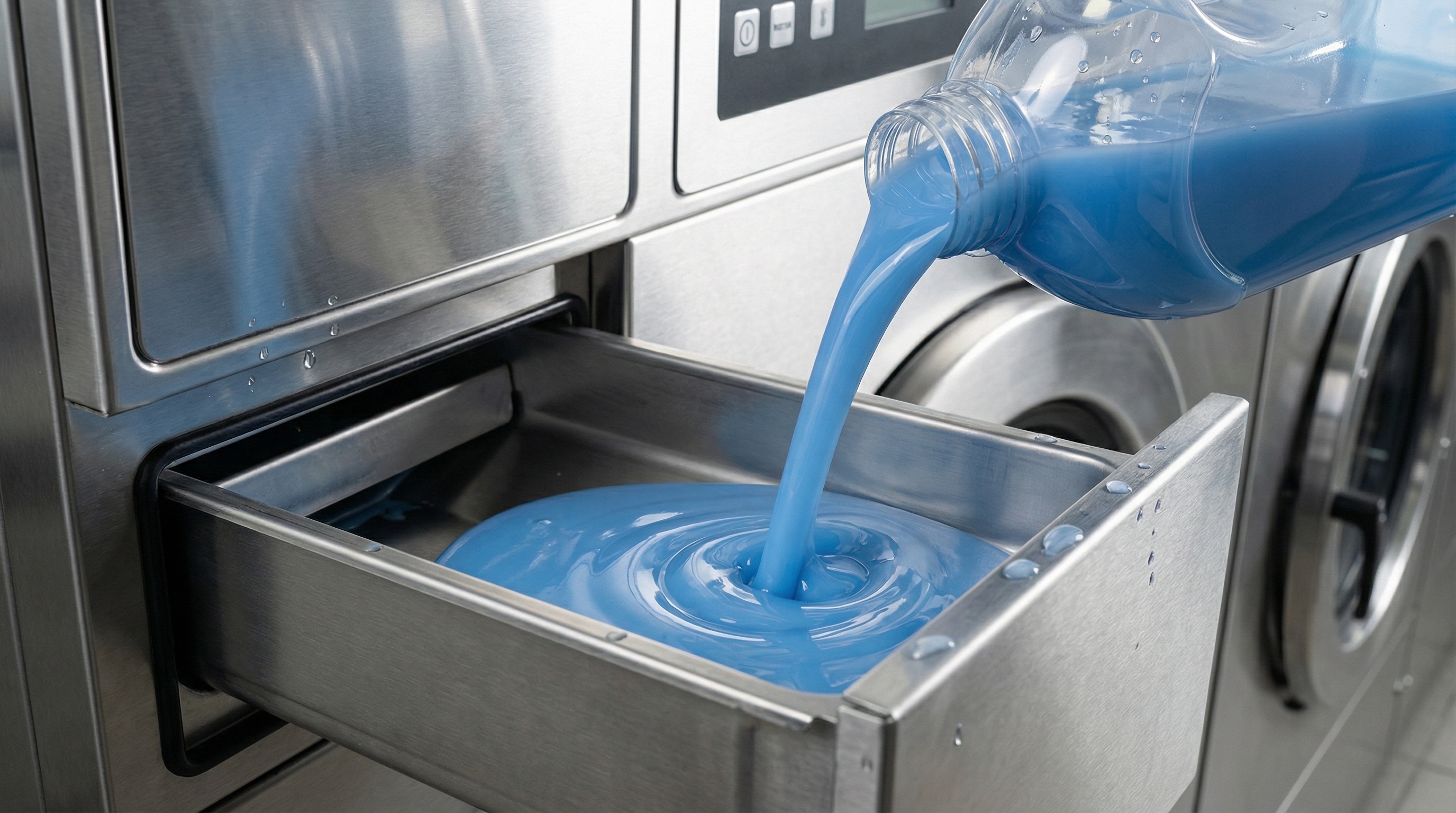
Liquid fabric softener is a liquid suspension of softening agents added during the rinse cycle. It works by coating the fibers in the water bath, allowing for deep penetration into the weave, but requires precise timing and dosage to avoid damaging the textiles.
3.1 How Liquid Fabric Softener Works
Unlike dryer sheets which work by contact in the air, liquid softeners work by dispersion in water.
The timing is critical. Liquid softener must be released during the final rinse cycle. If it is added too early (during the wash cycle), it reacts with the detergent. Detergents are usually anionic (negative charge), and softeners are cationic (positive charge). If they mix, they form a waxy precipitate that cleans nothing and coats the inside of your machine.
When used correctly, the liquid flows through the fabric weave. This allows it to condition the internal structure of the yarn, not just the surface. This creates a “fluffier” feeling, especially on cottons. However, because it coats the entire fiber, it can also trap moisture inside or, conversely, create a waterproof barrier if overused.
3.2 Common Ingredients in Liquid Fabric Softener
Water: This is the main ingredient. In many commercial brands, water makes up a massive percentage of the volume. You are essentially paying freight costs to ship water to your facility.
Emulsifiers: These chemicals keep the oil-based softening agents mixed with the water so they don’t separate in the jug.
Colors and Dyes: Added for branding, usually blue or pink. These offer no cleaning value and can sometimes stain white linens if the dispenser isn’t working correctly.
Preservatives: Since liquid sits in a jug and contains water, it is prone to bacterial growth. Strong preservatives are added to give it shelf life.
The Operational Risk: Liquid softener is the leading cause of “scrud”—a waxy buildup inside the outer tub of washing machines. In a commercial setting, this buildup can flake off and leave brown stains on your clean white sheets, leading to “rewash” costs. Rewashing is the enemy of efficiency.
Dryer Sheets vs. Liquid Fabric Softener: Key Differences at a Glance
For a business, the choice often comes down to workflow. Do you want your employees measuring liquids, or do you want a simple, binary process?
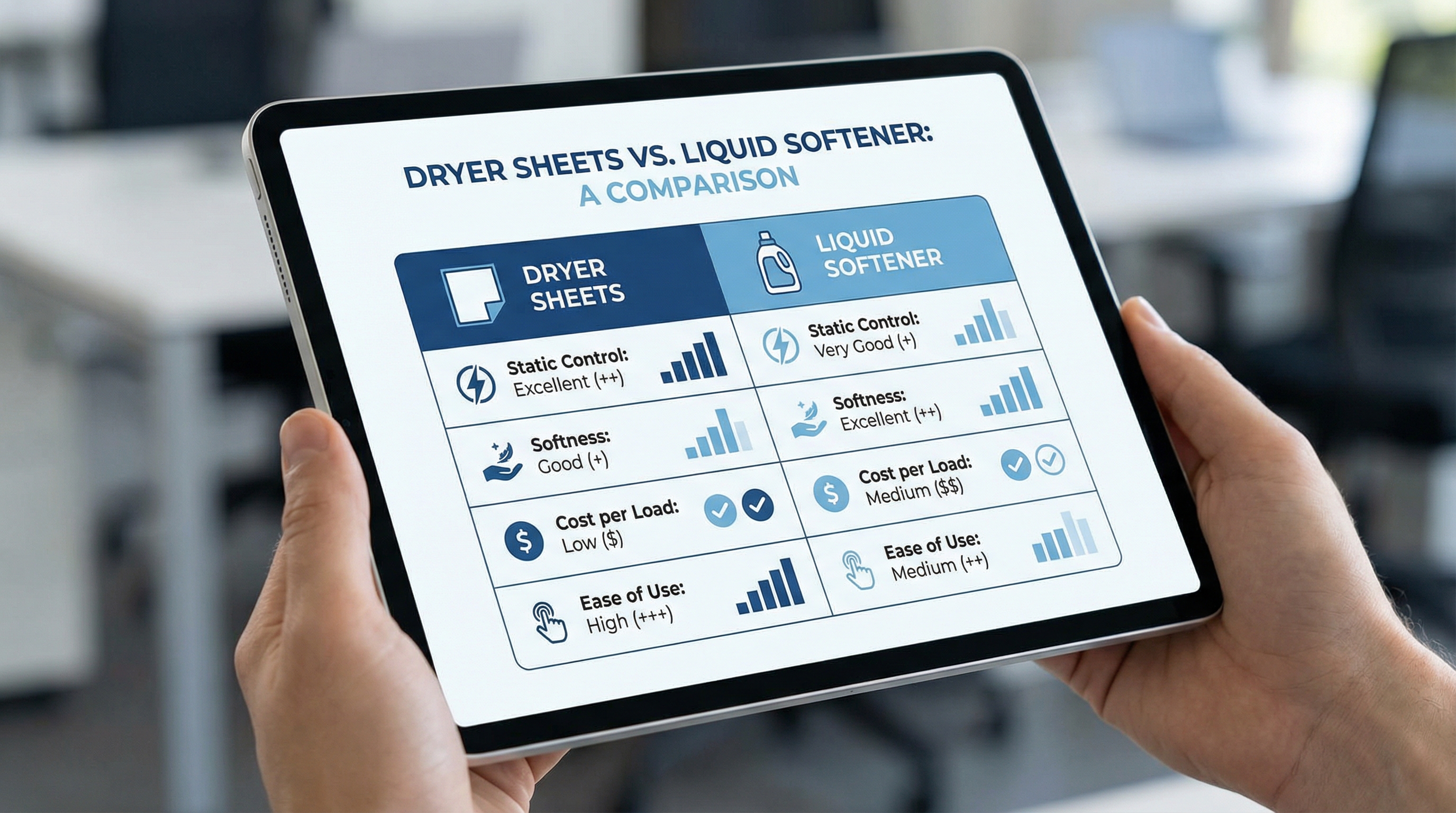
Dryer sheets generally provide better static control and operational simplicity, while liquid softeners offer deeper fiber conditioning. However, the logistical benefits of sheets—lower shipping costs and zero spill risk—often make them the preferred choice for high-volume B2B operations.
4.1 Ease of Use
In my years supplying laundromats, I have seen that complexity causes errors.
Liquid Softener: Requires measuring. If you don’t have an automated injection system, your staff is manually pouring. This leads to spills, messy floors, and inconsistent dosing. Even with pumps, the tubes can clog with the viscous liquid, requiring maintenance.
Dryer Sheets: It is a standardized unit. One sheet per load. There is no measuring, no pouring, and no mess. It simplifies training for new staff members immediately.
4.2 Performance on Softness and Static
The performance depends on what problem you are trying to solve.
| Feature | Dryer Sheets | Liquid Softener |
| Static Control | Excellent. Direct contact in the dryer neutralizes charge where it happens. | Moderate. It helps, but synthetic fabrics may still cling. |
| Fiber Softness | Surface smoothness. Feels silky and slick. | Internal softness. Feels fluffy and padded. |
| Residue | Minimal (Lint filter). | High Risk. Can build up inside the washer drum. |
| Stain Risk | Low. Only if the sheet gets stuck in one spot (rare). | Moderate. “Softener spotting” occurs if poured directly on fabric. |
4.3 Scent Strength and Longevity
Scent is a signal of cleanliness to your customers. Liquid softeners are added in the rinse, meaning much of the scent is rinsed away with the water. To compensate, manufacturers often overload liquids with heavy perfumes. Dryer sheets apply fragrance during the drying process. The heat “bakes” the scent lightly into the fabric. For hotels, this is often preferred. You want a guest to smell “freshness” when they open the bed, but you don’t want the scent to be so overpowering that it triggers a headache. Dryer sheets offer that subtle, controlled fragrance release.
Which One Is Better for Different Types of Laundry?
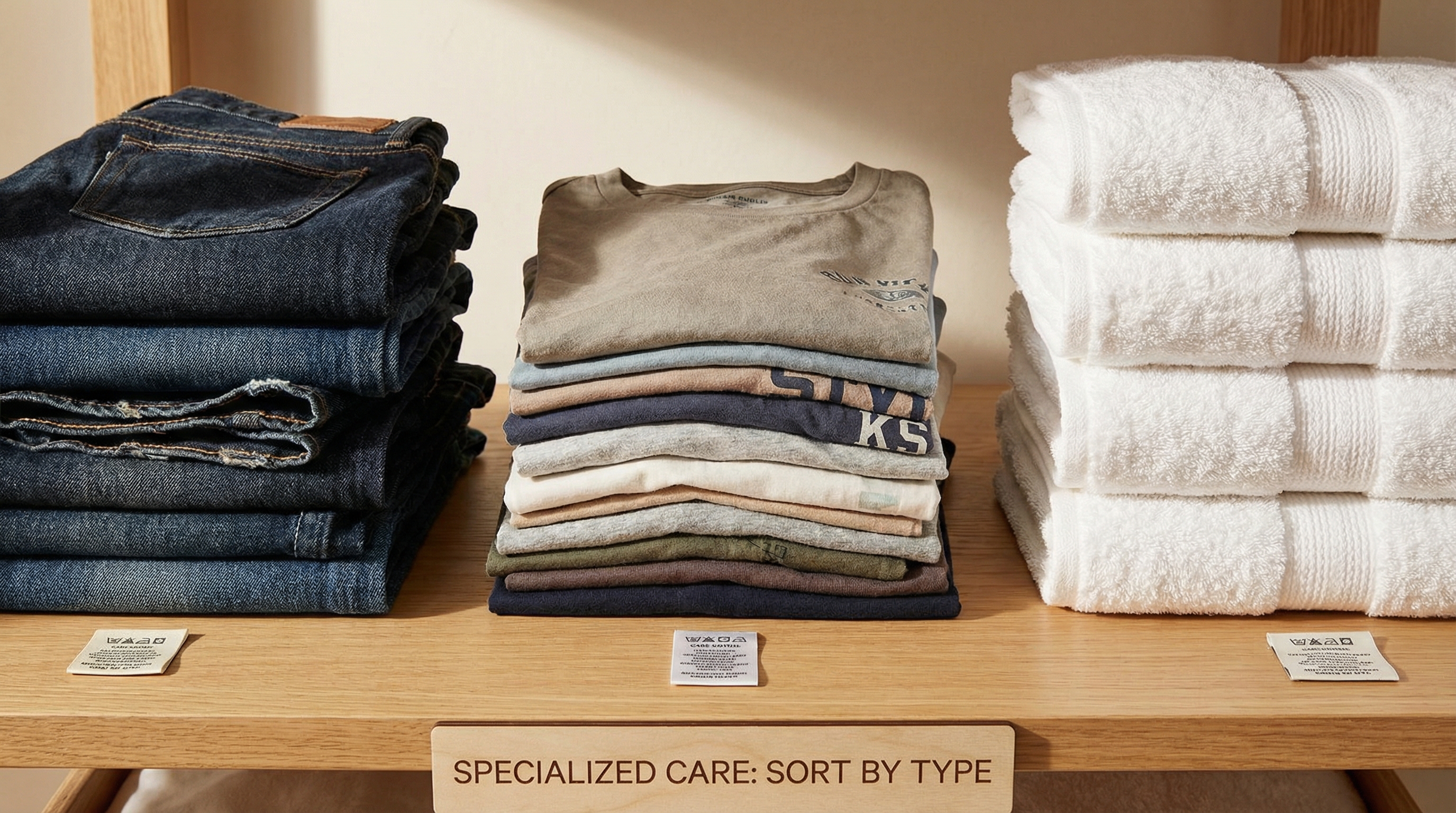
A “one size fits all” approach rarely works in commercial laundry. You need to match the product to the textile.
Dryer sheets are the safest bet for mixed loads, uniforms, and towels due to their ability to soften without reducing absorbency. Liquid softeners are best reserved for 100% cotton linens where deep conditioning is required.
5.1 Everyday Clothes (T-shirts, Jeans, Socks)
For the bulk of laundry—whether it is staff uniforms or customer wash-and-fold—dryer sheets are the winner. Everyday clothes are often blends of cotton and polyester. Polyester creates massive amounts of static. Liquid softener struggles to control static on synthetics as effectively as dryer sheets. Furthermore, using liquid on athletic wear or uniforms can lock in sweat and body oils, making them smell musty over time. Dryer sheets provide the softness without “sealing” the fiber.
5.2 Towels and Bedding
This is the most critical category for hotels and gyms.
The Absorbency Issue: Liquid fabric softeners contain silicone or oil-based compounds. If you use liquid on towels, you are coating the cotton loops with oil. Over time, this makes the towel water-repellent. A towel that doesn’t dry your guest is a useless towel.
The Solution: I strongly recommend using dryer sheets for towels. They provide surface softness so the towel feels good against the skin, but they do not penetrate and clog the absorbent core of the fiber as heavily as liquids do.
5.3 Baby Clothes and Sensitive Skin
If you service healthcare facilities or nurseries, you are dealing with sensitive skin. Both products use chemicals. However, liquid softener residue stays on the fabric and is pressed against the skin all day. Because dryer sheets apply a lighter coating, there is generally less chemical transfer. For these clients, the best B2B practice is to source “Free and Clear” dryer sheets. You get the anti-static benefits—which is crucial because baby clothes are often synthetic blends—without the perfumes that trigger dermatitis.
Environmental and Health Impact
Sustainability is becoming a key metric for B2B contracts. Corporate clients want to know your environmental footprint.
Dryer sheets generate less packaging waste and lower carbon emissions from transport than liquids, making them the greener option for bulk operations.
7.1 Impact on the Environment
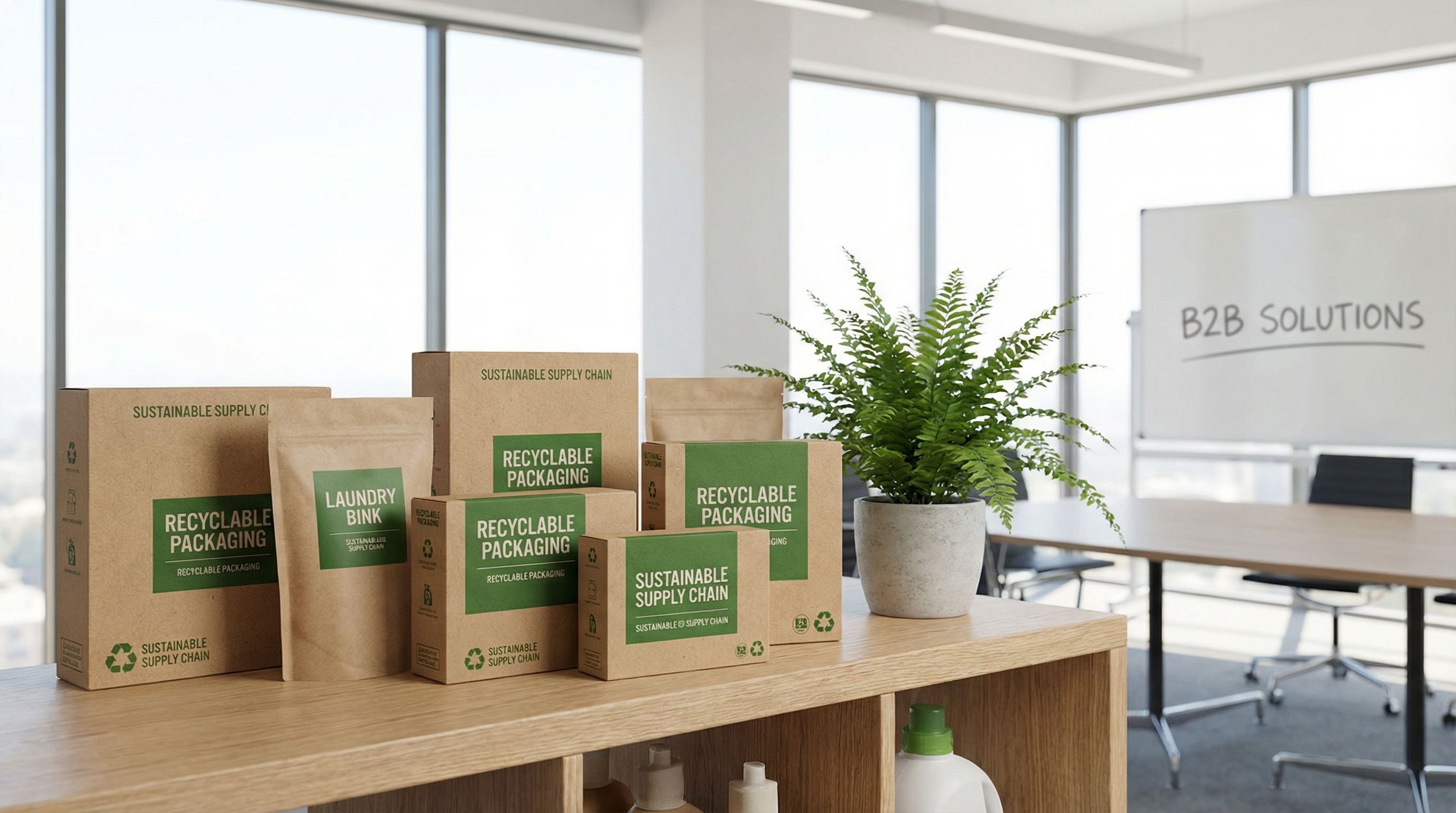
Plastic Waste: Liquid softeners come in high-density polyethylene (HDPE) jugs. While recyclable, the caps and spouts often aren’t, and millions end up in landfills. Dryer sheets usually ship in cardboard, which is easily recycled.
Carbon Footprint: It takes fewer trucks to move a million loads’ worth of dryer sheets than a million loads’ worth of liquid. This reduces the carbon emissions associated with your supply chain.
Biodegradability: Traditional polyester dryer sheets are plastic-based. However, the industry is shifting. At Sheet Whisper, we are seeing more demand for cellulose-based, compostable sheets. This allows businesses to claim a “zero waste” laundry process, which is a powerful marketing tool for eco-friendly hotels.
7.2 Health Considerations
Volatile Organic Compounds (VOCs) are a concern in closed laundry environments.
Respiratory Issues: Strong fragrances in liquid softeners can irritate the airways of laundry staff working long shifts.
Skin Sensitivity: Contact dermatitis is a common worker compensation claim in laundry sectors. Handling liquid chemicals poses a spill risk on skin. Dryer sheets are dry to the touch, minimizing direct chemical exposure for your employees.
Recommendation: If your facility has poor ventilation, switching to sheets reduces the ambient humidity and chemical vapor load in the air compared to hot water evaporation of liquid softeners.